
World Mental Health Day: How Different Styles of Yoga Support Your Mind

Teacher: Alyssa
Every year on October 10, World Mental Health Day brings global attention to the importance of mental well-being, self-care, and psychological support. It is an annual reminder that taking care of your mental health isn't a luxury, it is a vital part of overall health. Our minds and bodies exist in a continuous feedback loop. When stress, burnout, or anxiety build up mentally, they manifest physically: tight shoulders, shallow breathing, a clenched jaw, and an elevated heart rate.
While talk therapy and mindfulness exercises are vital tools for mental health, physical movement offers a direct doorway into regulating your nervous system. By changing how your body moves and breathes, you actively change your state of mind.
“By changing how your body moves and breathes, you actively change your state of mind.”
However, mental health needs are not one-size-fits-all. Some days your mind needs to burn off anxious, restless energy; other days, it needs quiet grounding to process exhaustion. In honor of World Mental Health Day, here is a look at how four distinct styles of yoga uniquely support your mental well-being and how to choose the right practice for what your mind needs today.
1. Vinyasa & Dynamic Flows: Burning Off Anxious Energy

Teacher: James
When your mind is racing with overthinking, sitting quietly on a meditation cushion can sometimes feel overwhelming. A fast-moving, breath-synchronized Vinyasa or active flow offers an immediate physical outlet for high-cortisol, "fight-or-flight" energy.
The Mental Shift:
Moving fluidly from posture to posture requires continuous focus. This intense concentration acts as a moving meditation, pulling your attention away from repetitive worries and anchoring it firmly in present-moment physical action.
Nervous System Impact:
Dynamic movement raises your heart rate and stimulates the release of endorphins and dopamine, helping dissipate restless physical tension and boosting your overall mood.
When to Practice:
When you feel overwhelmed by anxious chatter, restless, or mentally stuck in your head.
Featured Practice:
Ashtanga-Inspired Vinyasa Flow with Risa is a structured, dynamic flow ideal for channeling excess mental energy into deliberate physical focus.
2. Hatha & Alignment-Based Yoga: Cultivating Focus and Composure

Teacher: Ariel
Hatha yoga focuses on held postures, precise alignment, and deliberate transitions. By asking you to stay present in a single shape for several breaths, Hatha builds mental endurance and emotional balance.
The Mental Shift:
Holding a challenging posture requires you to observe physical discomfort without immediately reacting to it. This directly trains your brain in emotional regulation, teaching you how to stay calm, focused, and grounded when facing daily life stressors.
Nervous System Impact:
Slow, deliberate breath control during held postures communicates safety to your brain, lowering your heart rate while building physical and mental stability.
When to Practice:
When you feel scattered, indecisive, or in need of quiet confidence and grounding.
Featured Practice:
Hatha Yoga for Vitality with Michelle is a steady, grounding session designed to build internal strength and steady your attention.
3. Restorative & Yin Yoga: Downshifting Out of Chronic Stress
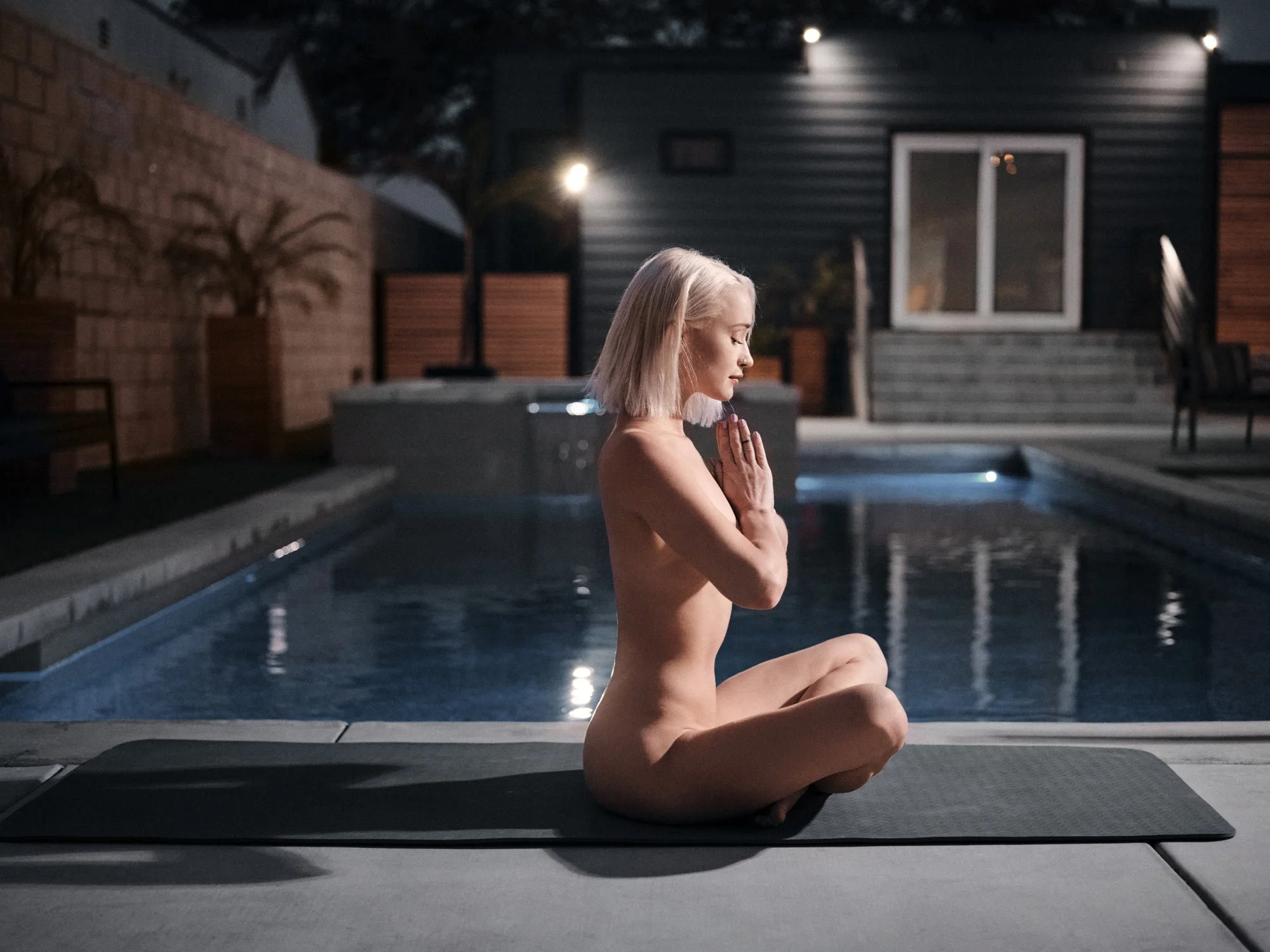
Teacher: Chloe
In a fast-paced world that constantly demands productivity, Restorative and Yin practices are acts of essential rest. These styles involve low-to-the-ground, long-held shapes supported by gravity, where muscular effort drops to zero.
The Mental Shift:
Restorative yoga creates an environment free of performance pressure. It gives your mind explicit permission to step off the treadmill of daily responsibilities and process accumulated mental fatigue.
Nervous System Impact:
Long, passive holds stimulate the vagus nerve, triggering the parasympathetic ("rest-and-digest") response. This actively flushes stress hormones, lowers blood pressure, and prepares the brain for deep, restorative sleep.
When to Practice:
When you feel exhausted, burnt out, emotionally drained, or overwhelmed by sensory overload.
Featured Practice:
Yin Yoga For Better Sleep with Celtic is a quiet, floor-based practice that releases deep fascial tension and eases the mind into rest mode.
4. Somatic Yoga: Reconnecting Mind and Body

Teacher: Star
Somatic movement focuses on the internal sensation of movement rather than external appearance or precise form. By turning your awareness inward, somatic practices help release stored physical trauma and stress patterns lingering in the body.
The Mental Shift:
By tuning into subtle internal cues, somatic movement helps rebuild trust between mind and body, pulling you out of cognitive loops and grounding you in real-time bodily awareness.
Nervous System Impact:
Gentle, intuitive exploration helps recalibrate the central nervous system, softening muscular armor and inviting gentle release without forcing the body.
When to Practice:
When you feel disconnected from your physical self, emotionally guarded, or in need of gentle restoration.
Featured Practice:
Gentle Somatic Morning Yoga with Angel is a subtle, sensory-focused flow designed to awaken the body with gentle awareness.
Finding What You Need Today
Mental health fluctuates day by day. Building a supportive practice isn't about forcing yourself into a rigid daily routine; it's about checking in with yourself and asking: What does my mind need right now?
Whether you need a dynamic flow to clear brain fog, a steady Hatha sequence to find your footing, or a quiet Restorative practice to rest, stepping onto the mat is a powerful commitment to your own well-being.
