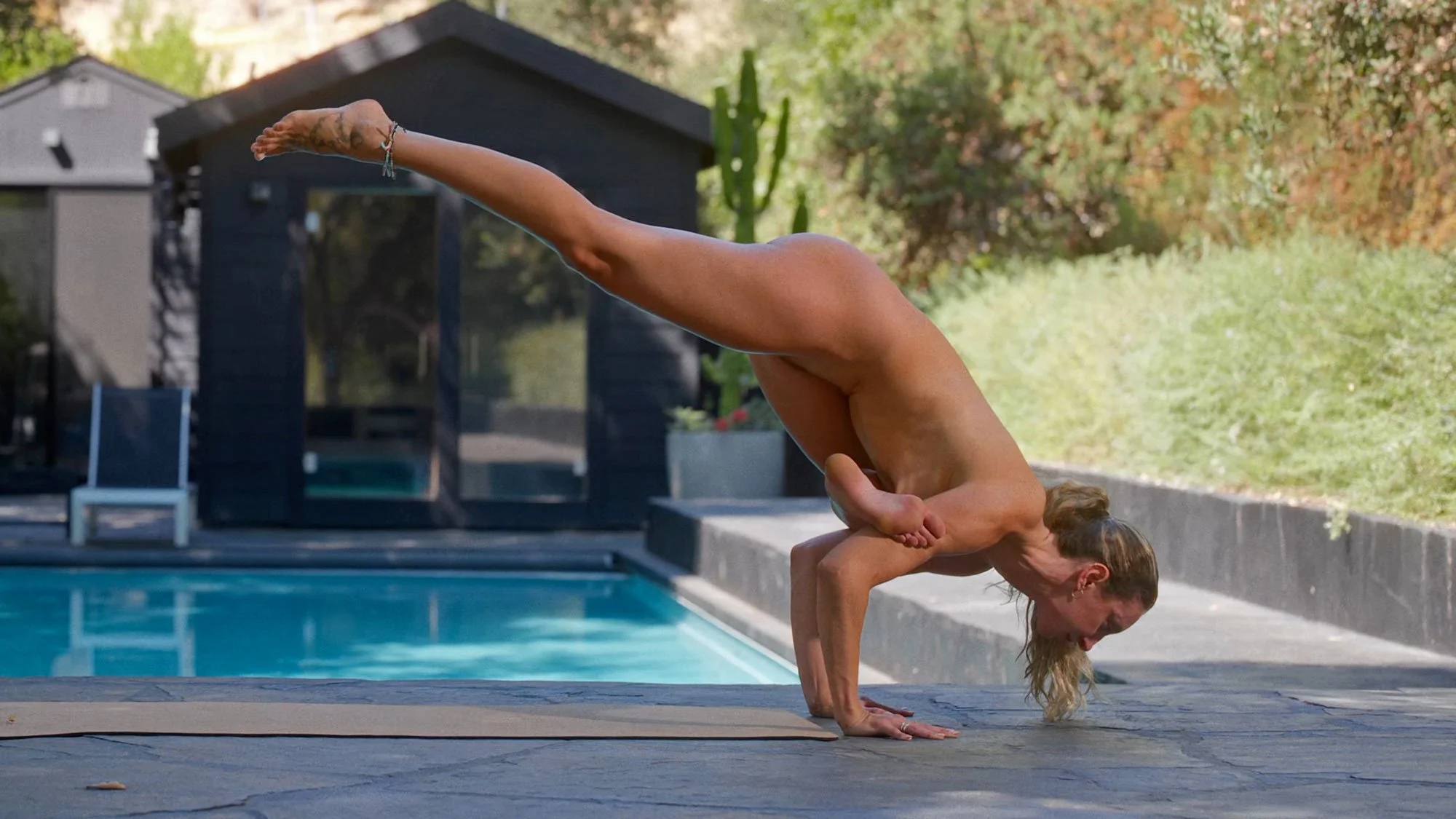
Raised Legs Pose
Uttana Padasana

Teacher: Indi
Raised Leg Pose, or Uttana Padasana, is a powerful supine posture that intensively targets the deep core muscles, building foundational strength in the abdomen while toning the thighs and hip flexors.
Common Name: Raised Legs Pose
Sanskrit Name: Uttana Padasana (OOT-tah-nah pah-DAHS-ah-nah)
Level: Intermediate
Target Areas: Abs, Core, Hip Flexors, Quads, Lower Back
Raised Legs Pose, known in Sanskrit as Uttana Padasana, is a powerful supine posture designed to cultivate deep abdominal stamina and pelvic stability. Stripping away extra layers allows you to focus purely on alignment and breath, helping you stay grounded as your core engages to suspend your legs against gravity. It invites you to find effortless calm within intense physical engagement, serving as an exceptional benchmark for mindful movement.
In classical Hatha Yoga texts, Uttana Padasana was often practiced as an intense chest-opening backbend where the upper back arched off the floor and the crown of the head rested lightly on the mat, similar to Fish Pose. Modern yoga practices generally focus on the pelvic engagement of keeping the lower back anchored flush to the floor to protect the lumbar spine. Adjusting the angle of your legs transforms the intensity of the pose, making it one of the most versatile core strengtheners in your practice.
Raised Legs Pose Steps

Teacher: Henner
Step 1
Begin by lying flat on your back in Savasana (Corpse Pose), with your legs extended straight, feet together, and arms resting alongside your body with palms facing down
Step 2
Inhale deeply, press your palms and lower back firmly into the floor, and engage your core muscles by drawing your belly button toward your spine.
Step 3
On the exhale, slowly lift both legs together off the ground to an angle of about 30 degrees. Keep your knees completely straight and your toes active (either pointed or flexed).
Step 4

Teacher: Scarlet
Hold this position for a few breaths. To deepen the posture, on your next inhale, raise the legs further to a 60-degree angle, keeping the thighs squeezed together and the lower back pressed into the mat.
Step 5
Ensure your shoulders, neck, and face remain completely relaxed, directing all the effort to your lower abdomen and thighs.
Step 6
Maintain the pose for 5 to 10 deep, steady breaths, keeping your core firmly engaged throughout.
Step 7
To release, exhale as you slowly and with control lower your legs back down to the mat, avoiding letting them drop heavily.
Step 8
Relax completely in Savasana for a few recovery breaths.
Modifications
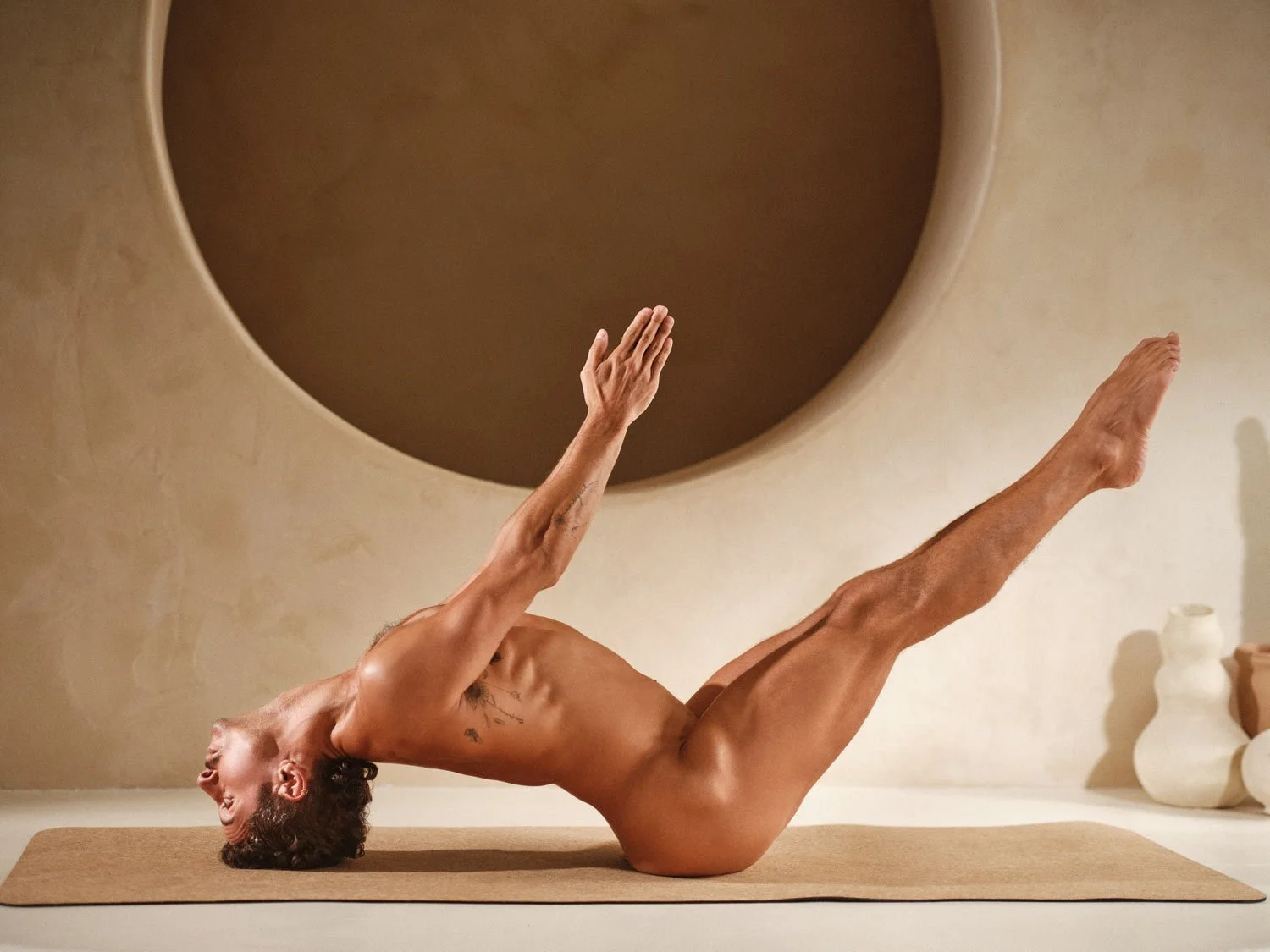
Teacher: Pasquale
Bend your knees slightly to reduce intensity on your hip flexors and protect your lower back.
Slide your hands, palms facing down, beneath your hips or lower back to provide additional pelvic support.
Raise your legs to a complete 90 degree angle perpendicular to the mat to lower the leverage demand on your core.
Lift your upper back and head slightly off the mat while keeping your legs suspended to practice the traditional advanced variation.
Benefits
• Strengthens lower abdominal muscles, psoas, and hip flexors.
• Tones quadriceps, improves pelvic alignment, and stabilizes the core.
• Stimulates abdominal organs, aiding digestion, and internal circulation.
• Builds mental endurance, focus, and breath control under challenge.
Cautions
• Acute lower back pain, disc issues, or spine discomfort.
• Recent abdominal surgery, hernia, or severe pelvic strain.
• High blood pressure or pregnancy, particularly in the second and third trimesters.
• Tight hamstrings or overactive hip flexors.