
An Introduction to Prenatal and Postpartum Yoga
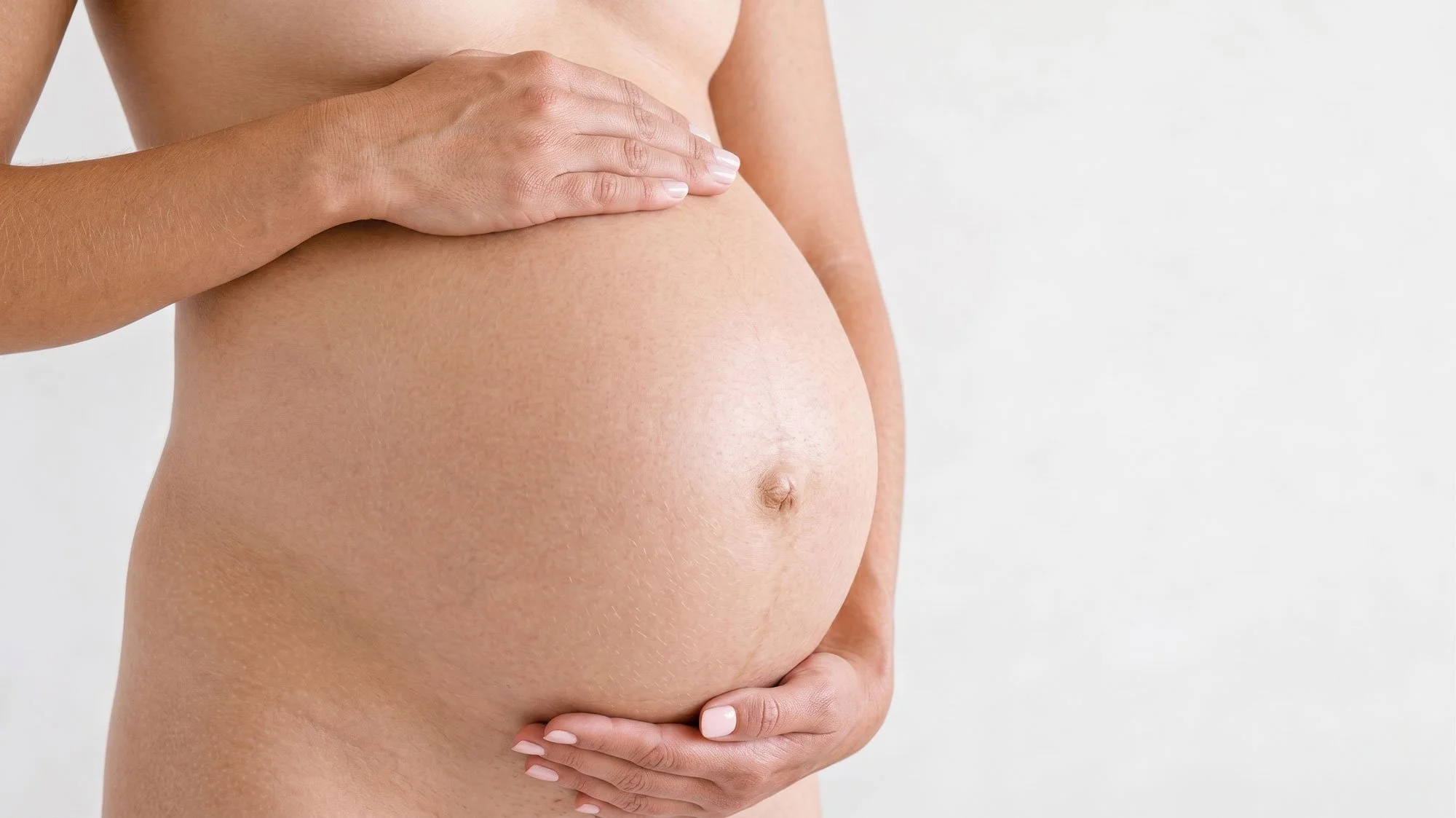
From Bump to Baby
The journey through pregnancy, childbirth, and the postpartum period is one of the most transformative experiences in a person’s life. It involves incredible physical and emotional changes that demand support, strength, and gentle care. While many activities take a pause during this time, yoga remains a powerful and adaptable practice, offering immense benefits to both expectant and new parents.
“It’s a practice of patience and acceptance, helping new parents reconnect with a body that feels radically changed.”
Prenatal and Postpartum Yoga is a specialized field focused entirely on supporting the unique needs of the body before, during, and after pregnancy. It is far more than just gentle stretching; it is a holistic practice that addresses everything from hormonal fluctuations and shifting body mechanics to mental well-being and recovery.
What is Prenatal Yoga?
Prenatal yoga is specifically tailored for those who are pregnant. It recognizes that the body's center of gravity shifts, joints become more flexible due to hormones like relaxin, and common aches in the hips and lower back can surface. The practice focuses on:
Posing for Safety
Modifications are key. Poses are adapted to avoid compressing the belly or lying flat on the back (which can restrict blood flow in later trimesters).
Targeted Strengthening:

Teacher: Avartana
Emphasis is placed on strengthening the legs, core, and back muscles to support the weight of the growing baby.
Breathwork (Pranayama):
Learning specific breathing techniques is vital, as these methods can be used as effective coping mechanisms during labor and delivery.
Pelvic Floor Awareness:
Gentle exercises are integrated to create awareness and promote both strength and release in the pelvic floor muscles.
What is Postpartum Yoga?
Postpartum yoga begins after a doctor or midwife has cleared the individual for exercise (typically six to eight weeks after birth). The focus shifts entirely to healing, recovery, and rebuilding from the inside out. This practice emphasizes:
Diastasis Recti Repair:
Specific exercises are used to safely heal the abdominal wall separation that can occur during pregnancy.
Pelvic Floor Restoration:
Gentle, progressive work is done to strengthen and restore functionality to the pelvic floor.
Tension Release:
Poses are used to relieve common areas of tension, the upper back, shoulders, and neck, caused by holding, feeding, and caring for a newborn.
Reconnecting with the Body:
It’s a practice of patience and acceptance, helping new parents reconnect with a body that feels radically changed. It prioritizes recovery over intensity.
The Essential Benefits of Pre and Postpartum Yoga

Teacher: Ariel
Both practices are invaluable tools for navigating this life stage, providing benefits that are physical, mental, and emotional:
Physical Benefits:
Eases Discomfort: Helps alleviate common pregnancy complaints like lower back pain, sciatica, and swollen ankles.
Improves Stamina: Increases strength and endurance, which are crucial during labor and the physical demands of caring for a newborn.
Promotes Healing: Postpartum yoga aids in restoring core strength, healing the abdominal wall, and supporting the pelvic floor.
Enhances Circulation: Improves blood flow, which can reduce swelling and sluggishness.
Mental and Emotional Benefits:
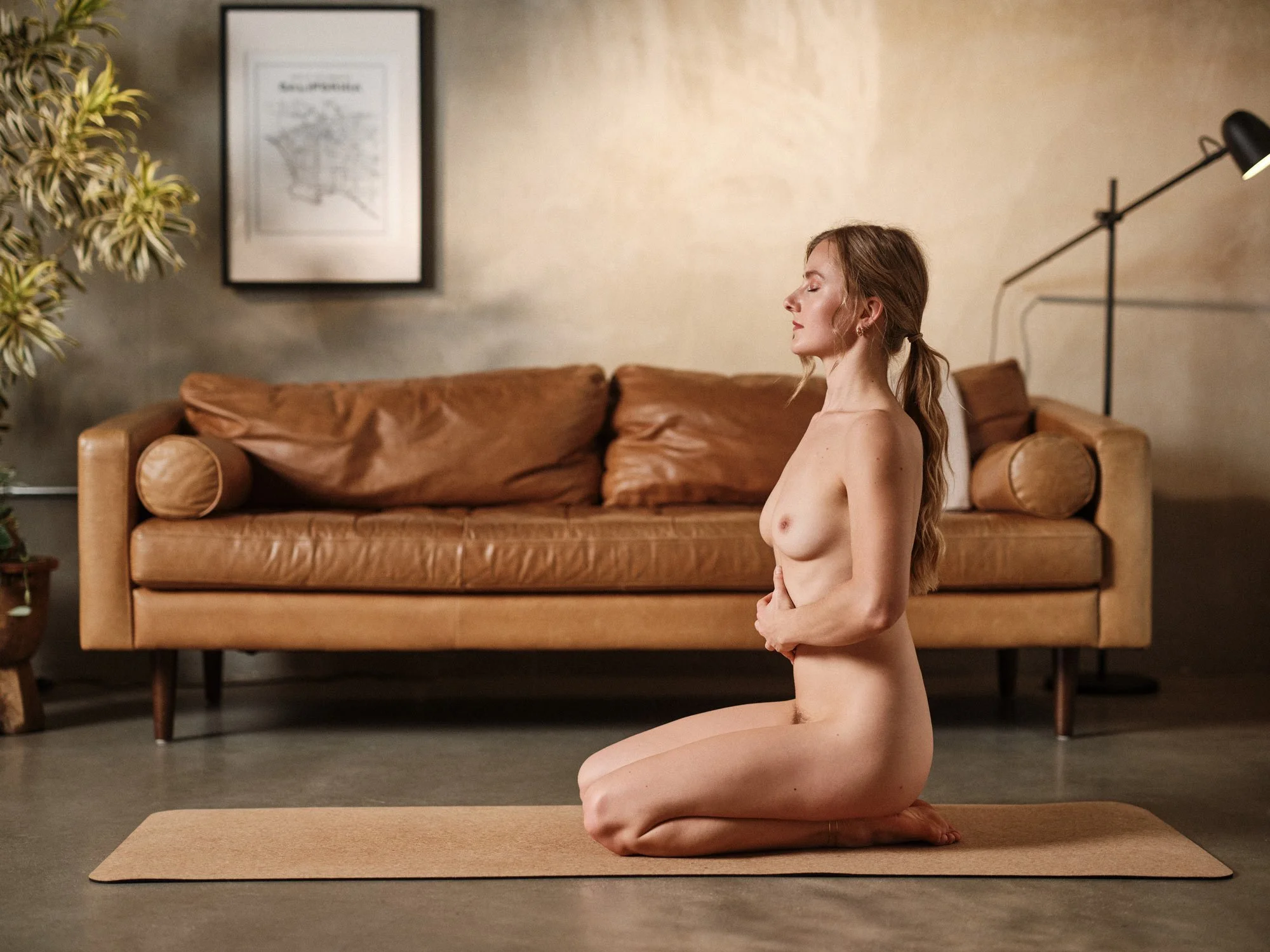
Teacher: Olivia
Reduces Stress and Anxiety: The combination of movement and focused breathwork calms the nervous system.
Cultivates Focus: Teaches mindful awareness and concentration, skills that are highly beneficial during the intensity of labor.
Creates Community: Classes often provide a supportive environment for expectant or new parents to connect and share experiences.
Boosts Mood: Releases endorphins and provides dedicated time for self-care, helping to combat fatigue and reduce the risk of postpartum depression.
In essence, pre and postpartum yoga provides a safe, mindful space to honor the body’s wisdom during this amazing yet challenging transition. By committing to this gentle practice, you are not only preparing for birth and recovery, but you are also cultivating the patience, strength, and self-compassion needed for the exciting chapter ahead.
Join us to explore gentle practices for any point of your journey!
Health Disclaimer: Yoga is a wonderful tool for the prenatal and postpartum journey, but every body and every pregnancy is different. The information in this article is not a substitute for professional medical advice, diagnosis, or treatment. Always get clearance from your physician or midwife before starting or resuming an exercise routine, particularly regarding postpartum healing (such as Diastasis Recti or pelvic floor recovery). If you feel dizzy, faint, or experience any pain while practicing, stop immediately and consult your healthcare provider.
